Shatel Huntley has a Bachelor's degree in Criminal Justice from Georgia State University. In her spare time, she works with special needs adults and travels the world. Her interests include traveling to off the beaten path destinations, shopping, couponing, and saving.
Winter makes buying fresh produce challenging for any household budget. Summer fruits become very expensive and difficult to find. You can still feed your family healthy fruit without spending too much money. You just need to adjust your shopping habits. Here are 11 ways to lower your fruit budget this season. 1. Focus on Citrus…
Feeding growing children requires a constant supply of snacks that can quickly devour your grocery budget. Those tiny bags of chips and individual fruit cups are incredibly convenient but cost a massive premium. You are heavily paying for the colorful plastic packaging rather than the actual food inside. By utilizing clever digital tactics you can…
Dollar General has become a go-to destination for many budget-conscious shoppers looking to stretch their dollars as far as possible. Their digital coupon program is one of the most robust and rewarding in the retail space if you know how to navigate it. However, it can feel a bit overwhelming if you are new to…
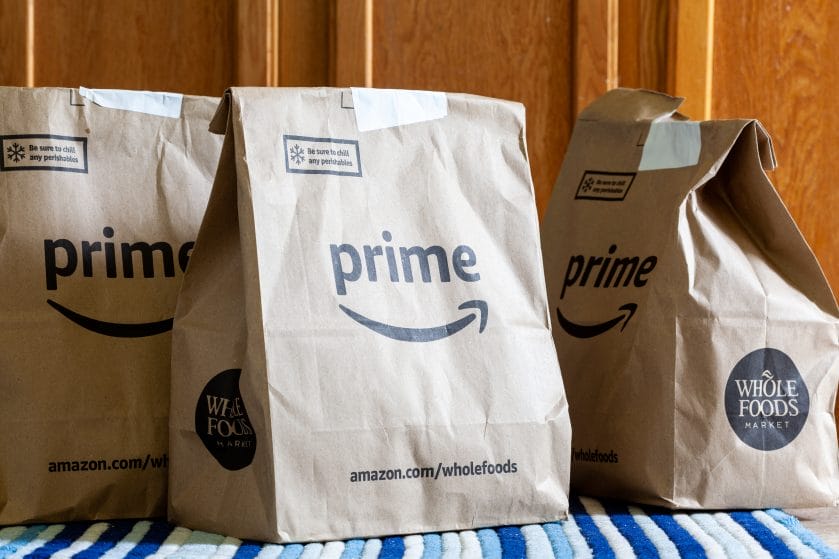
Whole Foods is often nicknamed Whole Paycheck, but it doesn’t have to live up to that reputation. If you are intentional about how you navigate the aisles, you can find high-quality organic goods without breaking your budget. Many shoppers overlook the simple strategies that make this premium store much more affordable for the average family.…
Shopping at Stop and Shop can be a great experience if you know how to navigate their pricing structure. Many shoppers miss out on deep savings because they ignore the digital tools available to them. You can easily slash your weekly food bill by learning a few insider strategies. Here are 7 powerful secrets to…
Many grocery stores have quietly discontinued their specialized discounts for older shoppers over the last few years. Fortunately, a few major retailers still offer dedicated days to help seniors save money on food. These promotions provide a reliable way to lower your weekly food costs. Here are 3 popular grocery chains with publicly advertised senior…
Unexpected car repairs or medical bills can force you to drastically evaluate your monthly spending habits. When you need to tighten your belt quickly, the grocery budget is usually the easiest place to start. You can easily navigate this period without feeling deprived of healthy meals. These 5 strategies will help you keep your food…
Finding stock options with high risk, high-reward potential is an exciting investment strategy. And while exciting, you also need a financial safety net to protect your portfolio when the market dips. The food technology sector offers all of that with plenty of hype as grocery chains modernize their operations. You must look for innovative companies…
Pasta is a wonderful emergency meal that everyone loves and is incredibly easy to prepare in a pinch. While boxes of noodles are generally cheap, you can actually bring that cost down to zero. Stores frequently run aggressive promotions on carbohydrates to drive foot traffic into their aisles. By combining digital store promotions with manufacturer…
Cheese is an incredibly versatile ingredient that elevates almost any meal from simple sandwiches to elaborate homemade lasagnas. Unfortunately, the price of quality dairy products has skyrocketed recently, making that block of cheddar a painful budget item. You do not have to eliminate your favorite savory snack to keep your weekly grocery spending in check.…
Buying quality beverages for your family takes a massive bite out of your weekly budget. A single bottle of premium cold-pressed orange juice easily costs $5 or $6 right now. You do not need to pay retail prices to keep your refrigerator shelves fully stocked with refreshing drinks. By learning how to navigate hidden grocery…
Living in a busy neighborhood without a vehicle definitely requires some creative logistics when it comes to grocery shopping. Carrying heavy bags of canned goods and milk jugs for several blocks is physically exhausting and highly impractical. This often forces people to shop at expensive convenience stores just because they are located within walking distance.…
Protecting your heart does not require a restrictive diet of bland meals or highly expensive specialty health foods. Some of the most powerful foods for your cardiovascular system are hiding in plain sight at your local grocery store. Building a heart-healthy shopping list is simply about focusing on nutrient-dense items that naturally lower cholesterol and…
Giant Food is a beloved supermarket chain that offers an incredible variety of fresh produce and high-quality pantry staples. Walking through their brightly lit aisles can be an absolute joy, but it can also be dangerous for your wallet. Many shoppers miss out on massive savings because they do not understand how to navigate the…
Feeding a large household every single night can easily make your grocery bill look like a second mortgage payment. When you have multiple hungry mouths to feed, buying prepackaged convenience foods will drain your bank account incredibly fast. Feeding a big family requires a mix of smart strategy and knowing how to stretch a dollar…
Toilet paper is an annoying household expense that quietly drains your grocery budget every month. You walk down the paper goods aisle and realize a basic pack costs upwards of $15 or $20. Fortunately, you truly do not need to pay retail prices for these necessary bathroom items if you plan. By combining digital store…